What Do Mycologists Do?The science of fungi — and how to join it
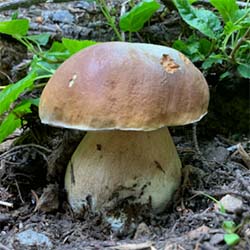
A mycologist is a scientist who studies fungi — the vast kingdom of life that includes mushrooms, molds, yeasts, rusts, and the unseen threads (mycelium) that knit forest soils together. Mycology sits at the crossroads of botany, microbiology, ecology, and genetics, which means a mycologist’s day can look wildly different depending on where they work.
What a mycologist actually does
Day to day, the work falls into a few broad buckets:
- Identifying and classifying species. Far more fungi exist than have been named — estimates run from 2 to 4 million species, with only about 150,000 formally described. Mycologists collect specimens, examine spores and tissue under microscopes, sequence DNA, and place new finds on the fungal tree of life.
- Studying how fungi live. This includes how mushrooms form mycorrhizal partnerships with tree roots — the relationships that make chanterelles, boletes, and matsutake possible — how fungi decompose wood, and how pathogens spread through crops and forests.
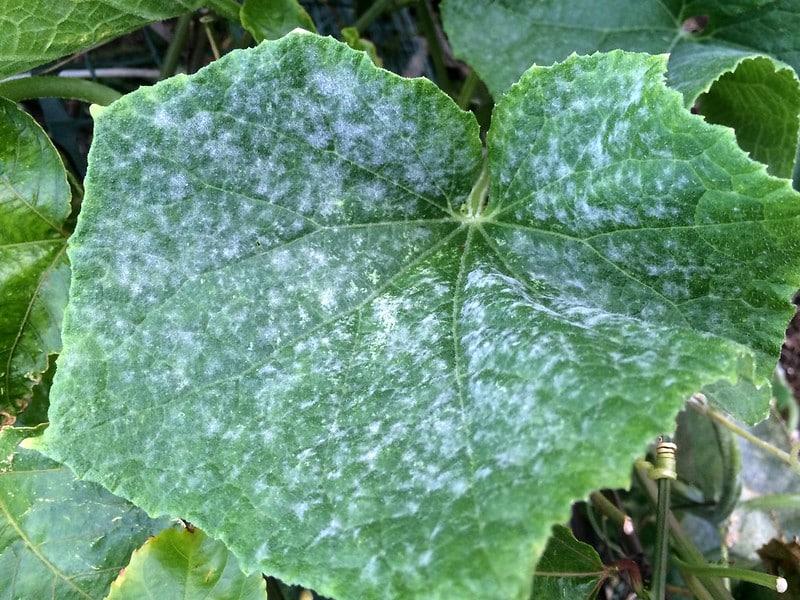
- Applying fungi to real problems. Fungi give us antibiotics, bread, beer, cheese, and cutting-edge materials. Mycologists develop and improve these, and study the fungal diseases that threaten agriculture and human health.
Where mycologists work
- Academia — teaching and running research labs at universities, often within biology, botany, or plant-pathology departments, and mentoring graduate students.
- Research institutes — investigating fungal genetics, ecology, and biochemistry, frequently feeding into medicine, agriculture, and climate science.
- Industry — pharmaceuticals, food and fermentation, biotech, and the fast-growing world of mycelium-based materials and food.
- Government and conservation — agencies like the USDA, the Forest Service, and the EPA employ mycologists to monitor forest health, manage crop disease, and protect biodiversity.
Mycology in the Pacific Northwest
The PNW is one of the richest fungal regions on Earth, and that has made it a hub for mycological work. The temperate rainforests west of the Cascades and the conifer forests to the east support thousands of species, many still being described. Regional herbaria — including the fungal collection at the Burke Museum in Seattle — preserve specimens that researchers rely on, and PNW universities have a long lineage of mushroom scientists who shaped how we understand genera like Cortinarius and the chanterelles.
For foragers, this matters: the names, keys, and edibility information you trust came from mycologists patiently documenting what grows here.
You don’t need a PhD to contribute
One of the best things about mycology is how open it is to amateurs. Much of what we know about where and when mushrooms fruit comes from dedicated hobbyists, not just professors. You can contribute real scientific value by:
- Logging observations on iNaturalist, where your photos and locations help build the distribution maps that researchers actually use.
- Joining a local mycological society — groups like the Puget Sound Mycological Society and the Oregon Mycological Society run forays, ID clinics, and collection events open to everyone.
- Helping document new or under-recorded species, sometimes contributing observations that end up in scientific records.
This blend of citizen and professional science is part of what makes fungi such an exciting field right now — the gap between “hobbyist” and “researcher” is smaller in mycology than in almost any other science.
How to become a mycologist
The typical professional path runs through biology:
- A bachelor’s degree in biology, microbiology, botany, or environmental science.
- Graduate study — a master’s or PhD focused on fungi is usually required for research and academic roles, where you’ll specialize in something like fungal ecology, genetics, or pathology.
- Field and lab experience — internships, herbarium work, and time spent collecting and identifying specimens.
Salaries vary widely by sector: government and academic positions often land in the $55,000–$95,000 range, while specialized industry and biotech roles can run higher. But many people come to fungi for the fascination first — the paycheck second.
Why it matters
Fungi recycle the forest, feed the trees, and quietly run some of the planet’s most important ecological systems. Mycologists are the people working to understand a kingdom we’ve barely begun to map — and in a place as fungally rich as the Pacific Northwest, there’s no shortage left to discover.
Get the data serious foragers use to find more mushrooms
Free members get soil conditions, the past week of rain, snow, smoke and historical burns. Pro unlocks the layers that help you narrow down exactly where to look.
- Newest burn years, managed burns & burn severity
- Tree species maps (22 species) & timber harvests
- Town & pass fruiting calendars with current conditions
- Offline map downloads in the iOS & Android apps
- 14- and 30-day rainfall windows
- Soil temperature & moisture at full zoom