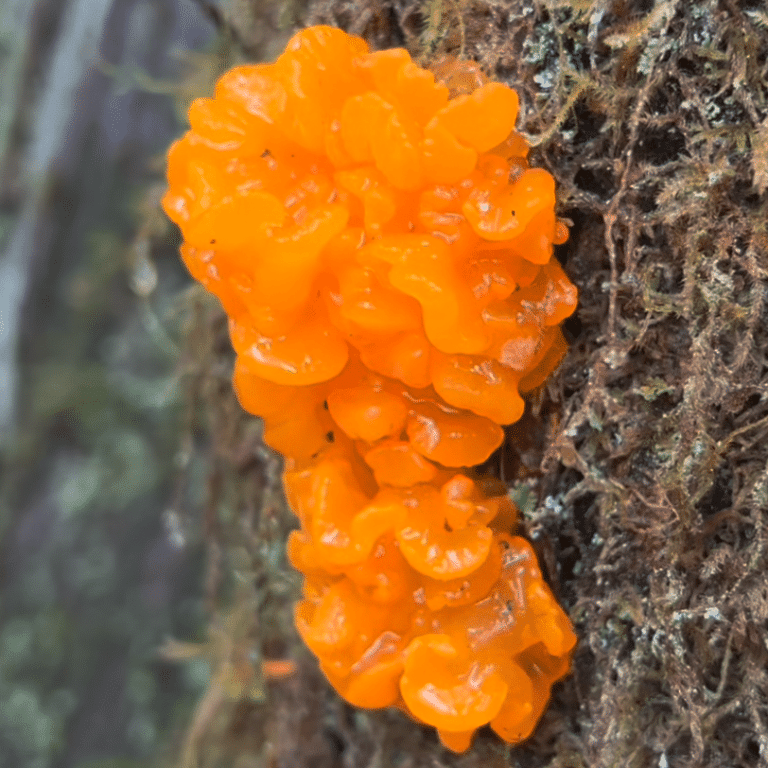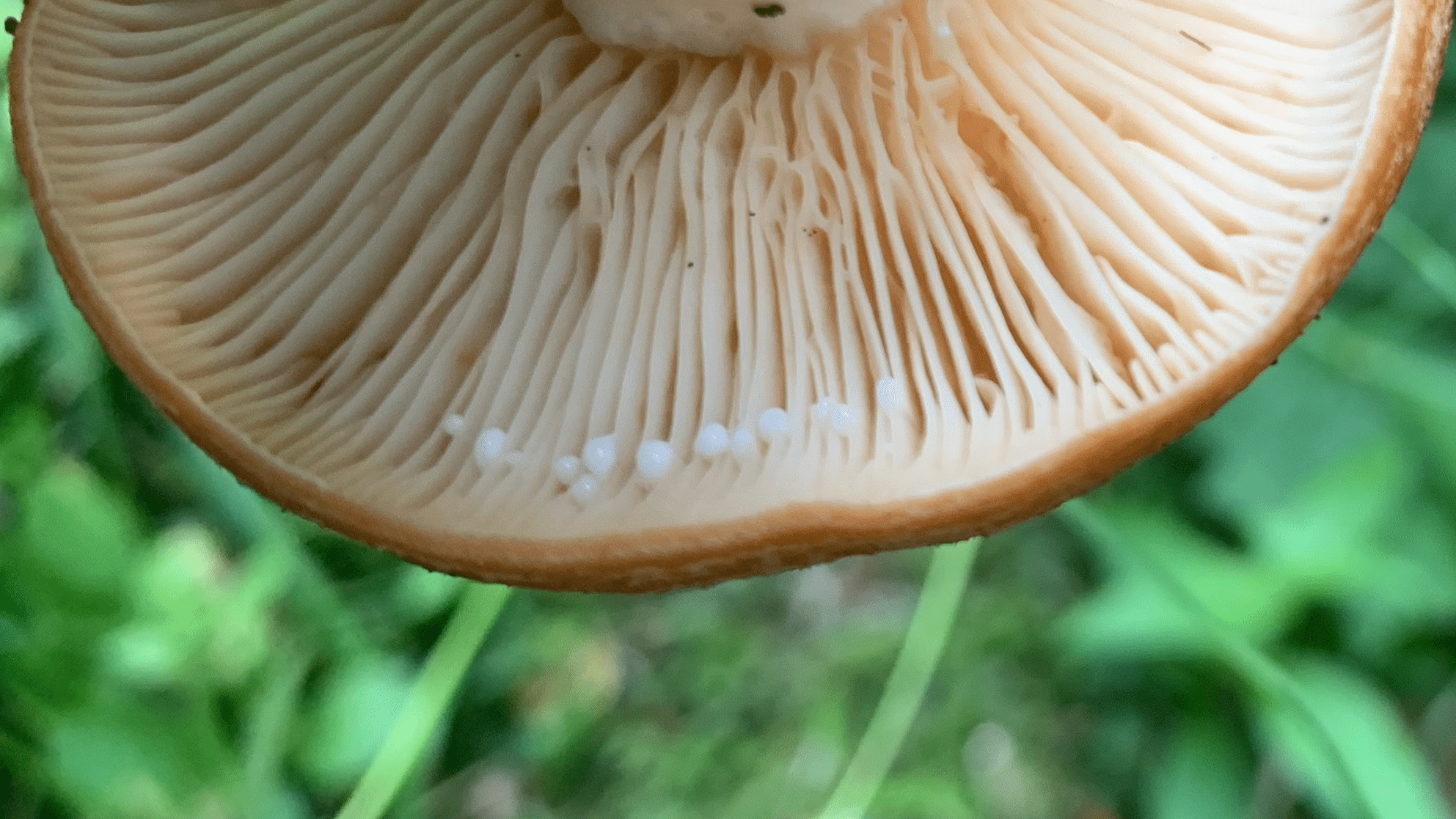
The Milk Caps can be a fascinating and sometimes overwhelming genus to observe. Scientifically known as Lactarius, the name indicates one of the genus’s unique characteristics: a strongly-colored juice known as latex or ‘milk’. Dozens of Lactarius species grow in the Pacific Northwest and the characteristics of any one species can vary significantly from mushroom to mushroom. Further complicating matters, some key identifying features might only be noticeable using a color-changing chemical, microscope, or taste. Many of the most popular identification resources incorrectly use East Coast, or European names for species unique to the Pacific Northwest. As our species get new names, these aging resources can become increasingly difficult to use for identification within many of these more fluid groups.
After recognizing you have a milk cap, there are a few features that are most useful for aiding identification.
Distinctive Milk or Latex:
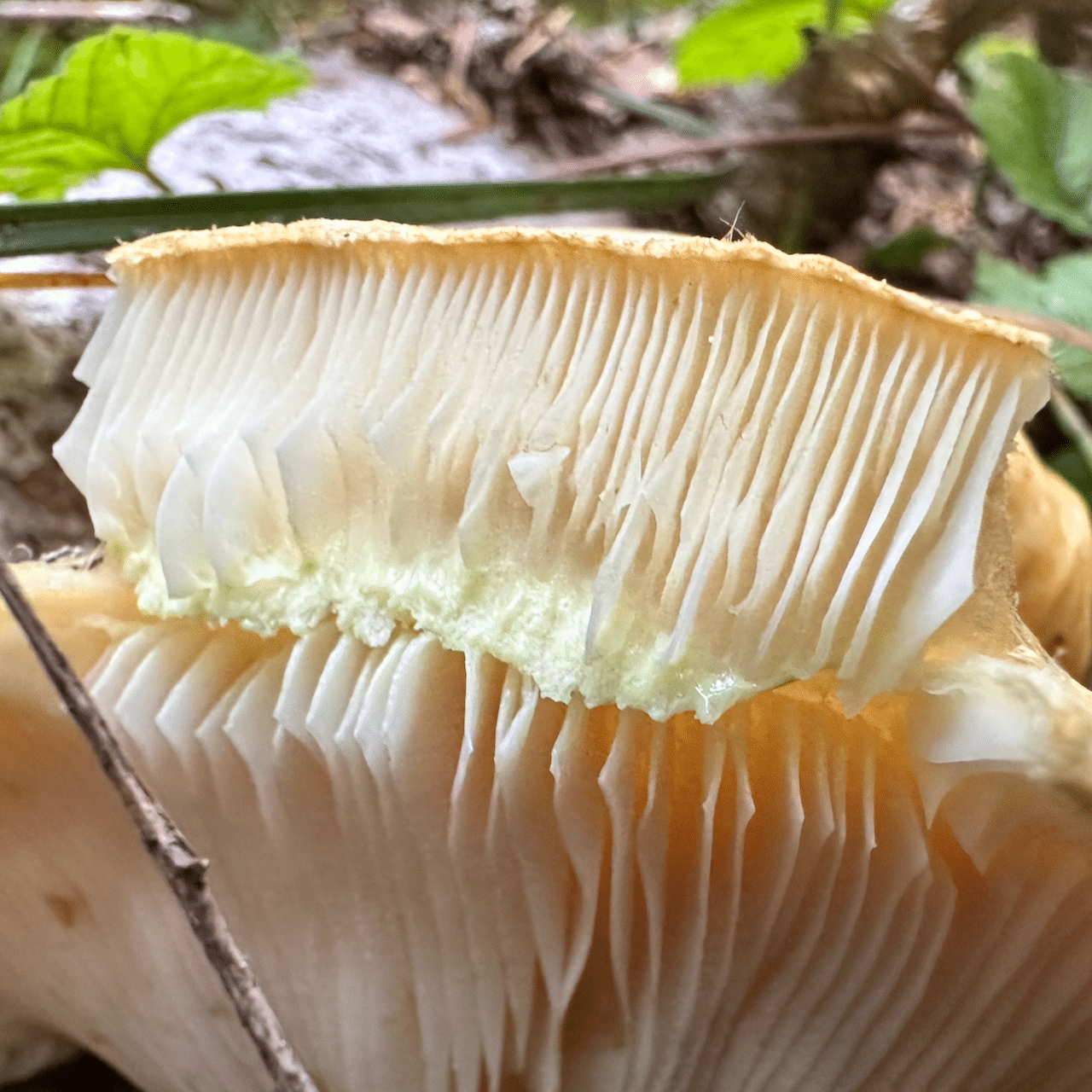
One of the most notable characteristics of Lactarius mushrooms is their milk or latex, which is often prominent and can change color upon exposure to air or when injured. This latex is typically white but can vary in color across different species.
Cap Characteristics:
The caps of Lactarius mushrooms display a wide range of colors, including shades of orange, brown, reddish, and even greenish tones in some species. They can be viscid (slimy) or dry and may have textures ranging from smooth to wrinkled or fibrillose. Some species exhibit zonate patterns (concentric circles of color) on the caps.
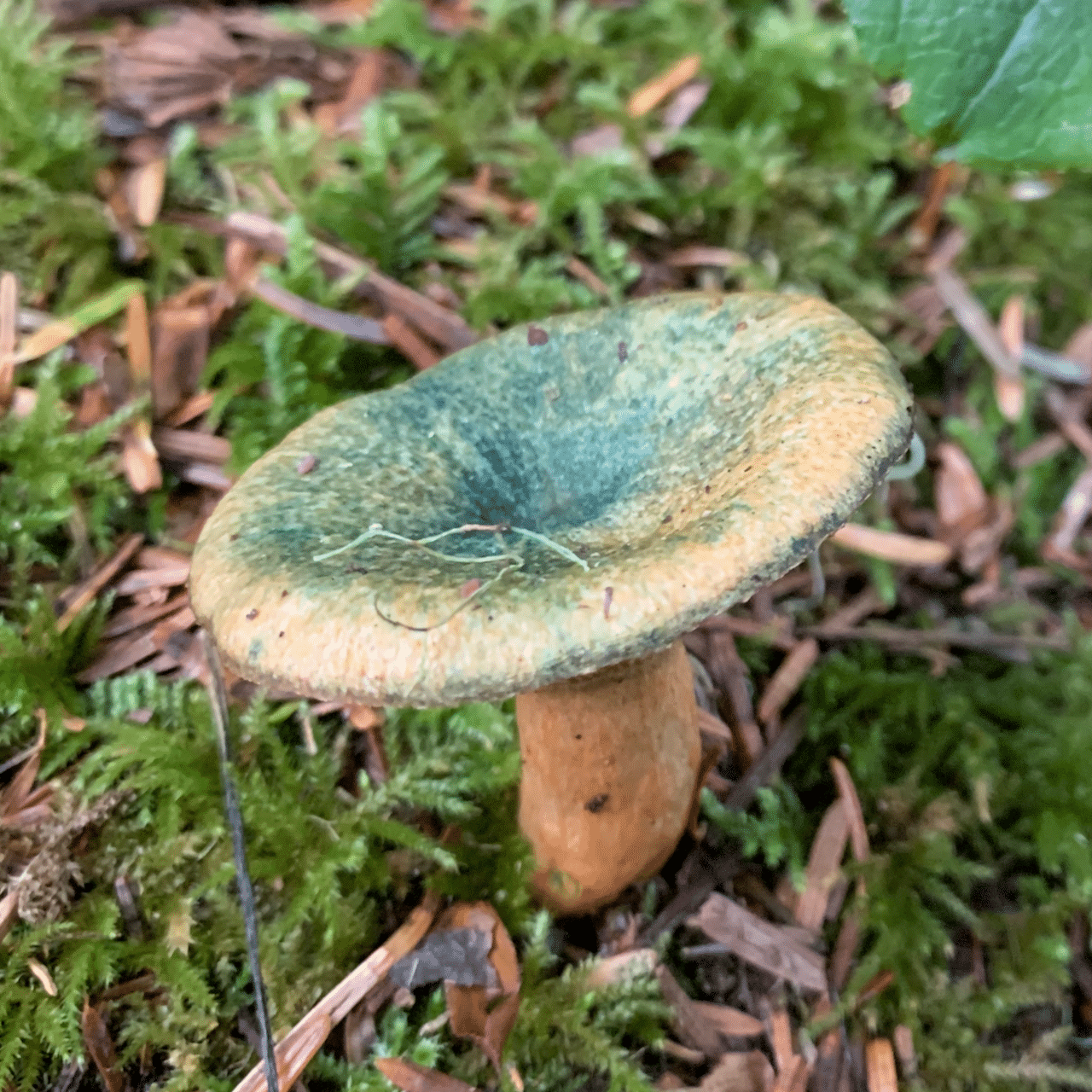
Gill Features:
The gills of these mushrooms are often described as adnate to decurrent (gills that extend down the stem), and their colors can vary, often complementing or contrasting with the cap color. The gills may change color with age or upon bruising.
Stem Characteristics:
Stems are typically colored similarly to the cap, though sometimes they can be paler. They can be smooth or exhibit features like scrobicules (pitted or grooved surfaces).
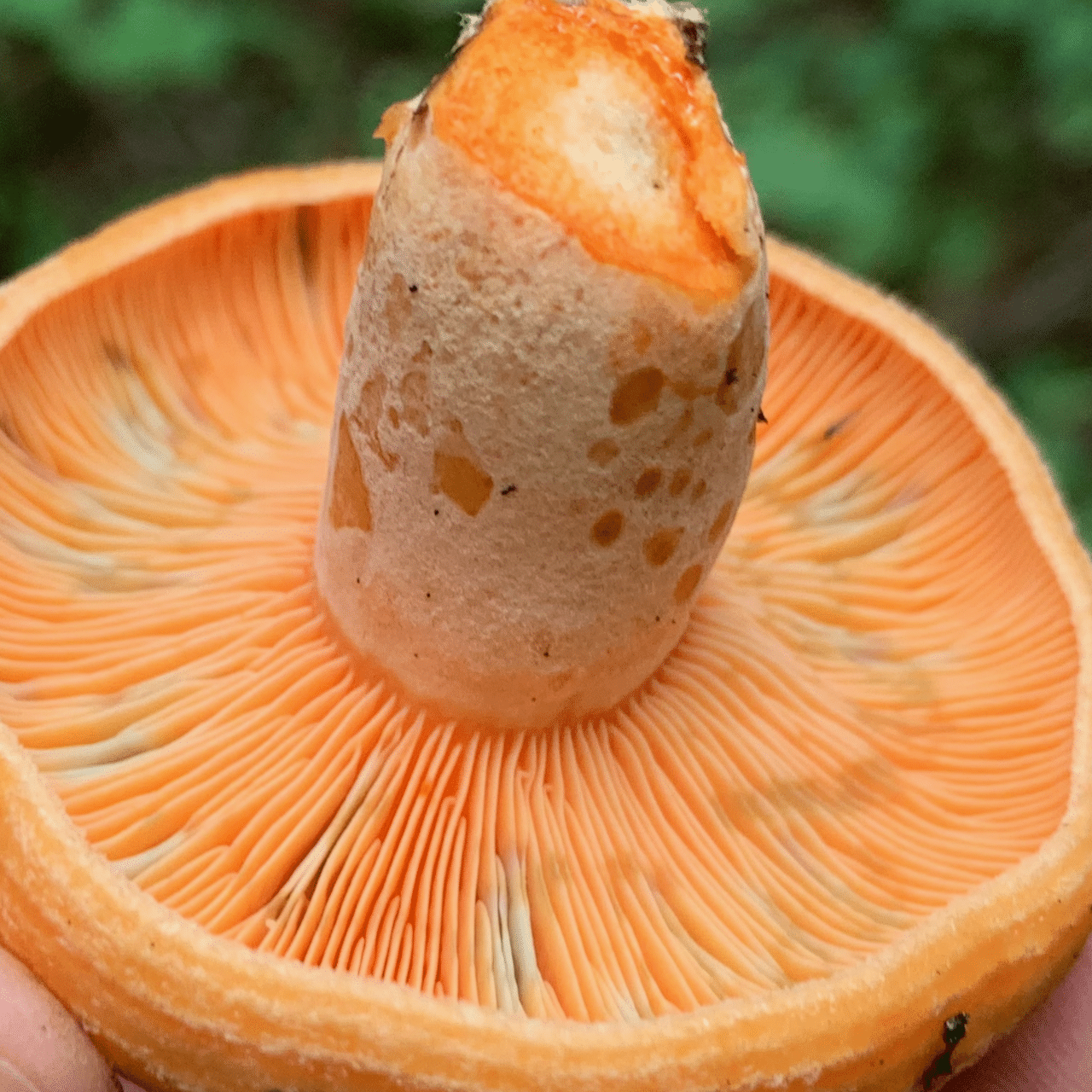
Spore Print and Microscopic Features:
Lactarius mushrooms generally have a white to pale yellowish spore deposit. Their spores are often described as elliptic and feature amyloid ornamentation, which can include warts, ridges, or a reticulum pattern.
Taste and Odor:
Many species are noted for their distinctive tastes (ranging from mild to bitter, or peppery) and odors (sometimes aromatic, like maple syrup, in certain species).
Habitat Preferences:
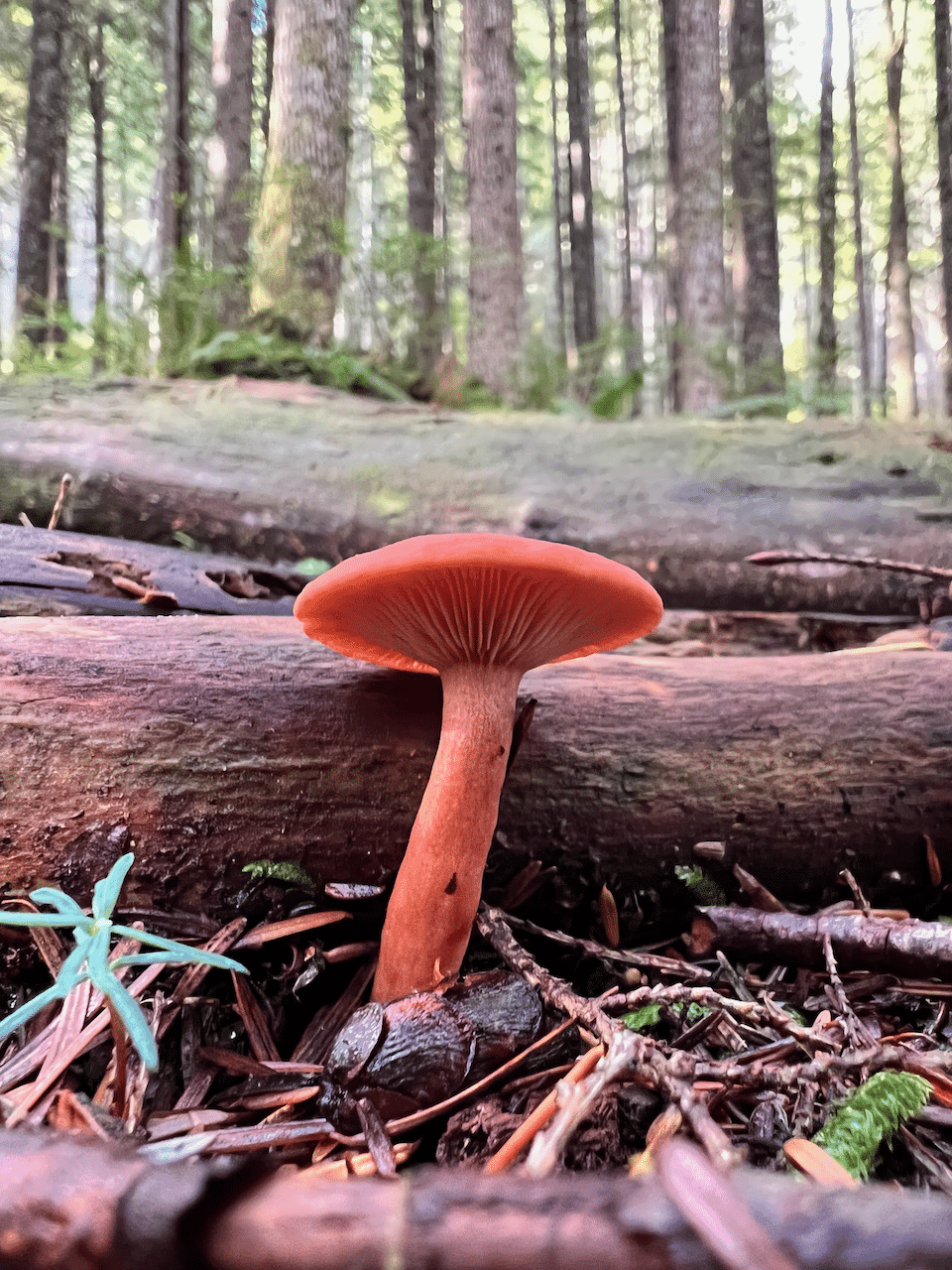
These mushrooms commonly grow in association with trees, particularly conifers, but some are found under hardwoods as well. The specific tree associations can be important for identifying the species.
Variability and Complex Taxonomy:
There is a high degree of variability within species and among different species, leading to complex taxonomy and identification challenges. The use of varietal names and ongoing molecular studies suggest that the taxonomy of the Lactarius genus is still evolving.
Here is a list of some of the more commonly found Lactarius species from the Pacific Northwest. As mentioned, some of these names are likely used incorrectly and species will be added, removed, or renamed regularly.
Related
Lactarius rubrilacteus
Lactarius deliciosus
Lactarius rufus
Lactarius subviscidus
Lactarius pseudomucidus
Lactarius fallax
Lactarius luculentus
Lactarius scrobiculatus
Lactarius aurantiosordidus
Lactarius xanthogalactus
Lactarius turpis
Lactarius pallescens
Lactarius occidentalis
Lactarius subflammeus
Lactarius kauffmanii
Lactarius pubescens
Lactarius aestivus
Lactarius controversus
Lactarius alnicola
Lactarius glyciosmus
Lactarius olympianus
Lactarius substriatus
Lactarius olivaceoumbrinus
Get the data serious foragers use to find more mushrooms
Free members get soil temps, precipitation, and ecoregion data. Pro unlocks the layers that help you narrow down exactly where to look.
- Historical burn perimeters — find morel habitat fast
- Tree species maps & timber harvest boundaries
- Foraging areas with fruiting calendars & conditions
- Offline maps in the iOS & Android apps