Intro to Mushrooms Series – The Basics
Here is a replay from our Jan 4 class covering just the basics
Last night I hosted a talk on the iconic Amanita muscaria and some of the other relatively common Amanita species in our region. This is only accessible to Basic and Full members
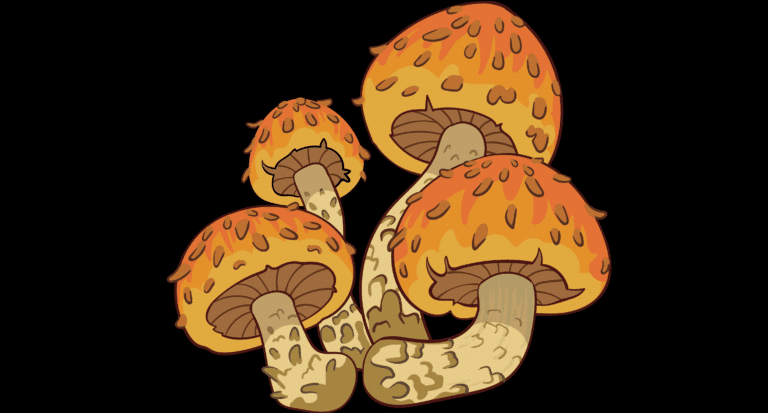
Toadstool is an informal word for a mushroom with certain aesthetic. These mushrooms have a typical umbrella-like cap and central stem growing from the ground. The term toadstool does not refer to any specific mushroom. The most classic example of a toadstool is Amanita muscaria or Fly Agaric. This conspicuous mushroom has a red cap,…
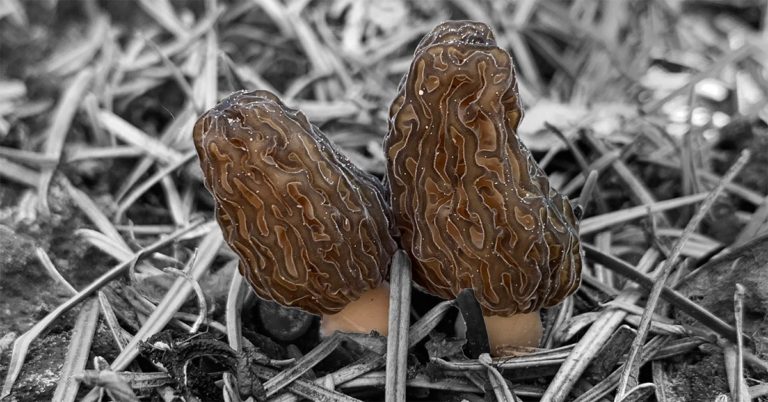
’Tis the season for morels, so with a keen eye and a little patience, you may find yourself walking out of a burn area with a delicious ingredient to use in your next meal or snack. Check out our 2020 Morel Burn Map Index to find out where you might be most likely to find…
We are installing a mushroom patch at the Troll’s Knoll Forest located behind the Fremont Troll. The patch will include both commonly cultivated species as well as wild mushrooms. Some of these species are edible. Visitors are encouraged to look and explore, but not pick mushroom from this patch. A group of us gathered on…
What do you do if you suspect that you, someone else, or a pet has eaten a poisonous mushroom? Time is critical. Quickly do the following 1) Gather information for accurate identification. 2) Try to determine if it’s one of the following general types of mushrooms There are very few mushrooms that when eaten can…
The Purpose and Role of Wilderness Areas Wilderness areas, managed by the National Forest Service, are essential for protecting natural landscapes and ecosystems. Created under the Wilderness Act of 1964, these regions are designed to remain free from significant human interference, allowing nature to thrive. Why Wilderness Areas Matter 1. Preserving Natural Environments These areas…