It comes as a surprise to many when I say that the edibility of mushrooms is on a spectrum. Poisonous mushrooms can often be eaten when prepared in sometimes quite elaborate ways. For instance, there is a method for preparing the classic Amanita muscaria in a way that can remove the toxins. This involves boiling the mushroom in a large amount of water, dumping the water, and repeating 2 more times before cooking.
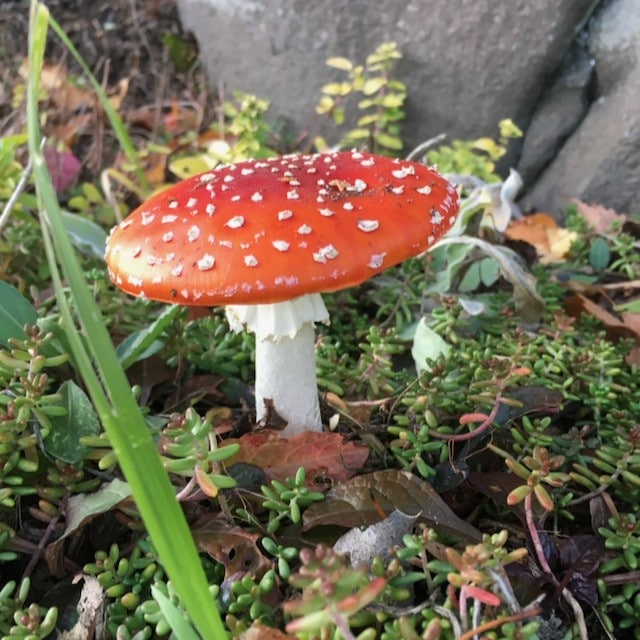
Why one would go through this work to eat a soggy mushroom is beyond me, but one can allegedly eat this mushroom safely with the right preparation.
On the other end of the spectrum are morels, a mushroom generally understood to be edible, and one that has sickened many and even killed some as well.

In March-April 2023, a restaurant served undercooked morels to patrons which sickened many of the patrons and even killed two. The Center for Disease Control and Prevention issued this report summarizing their findings. The findings suggest that the primary cause of the illnesses was raw or undercooked morels.
Morels are not the only species of ‘edible’ mushroom that can cause illness or death either. There have been reports of gastrointestinal illness or other complications from eating nearly all other mushrooms generally recognized as being edible.
Mushrooms are little chemical factories. Some of these chemicals can cause serious complications for some people. Additionally, mushrooms can become infected with bacteria or molds that contain their own toxic compounds.
Here are some things you can do to prevent or reduce the chances of complications when eating mushrooms.
– properly identify any mushrooms you intend to eat
– choose only healthy-looking mushrooms. Leave bug-infested, rotten, or moldy mushrooms in the forest
– Store mushrooms in a cool, dry place such as in a paper bag in the refrigerator.
– cook all wild mushrooms thoroughly until you know better. Some can safely be eaten raw but most benefit from cooking
– Test a small sample of any mushroom that is new to you before eating a larger amount. Try a small amount and wait 12-24 hours before eating more. To be extra cautious, try a sample in the morning so that you are awake throughout the first 12 hours since serious reactions are likely to occur fairly quickly.
Get the data serious foragers use to find more mushrooms
Free members get soil temps, precipitation, and ecoregion data. Pro unlocks the layers that help you narrow down exactly where to look.
- Historical burn perimeters — find morel habitat fast
- Timber harvest boundaries across OR & WA
- Detailed foraging area summaries with conditions
- Offline maps in the Forayz iOS app