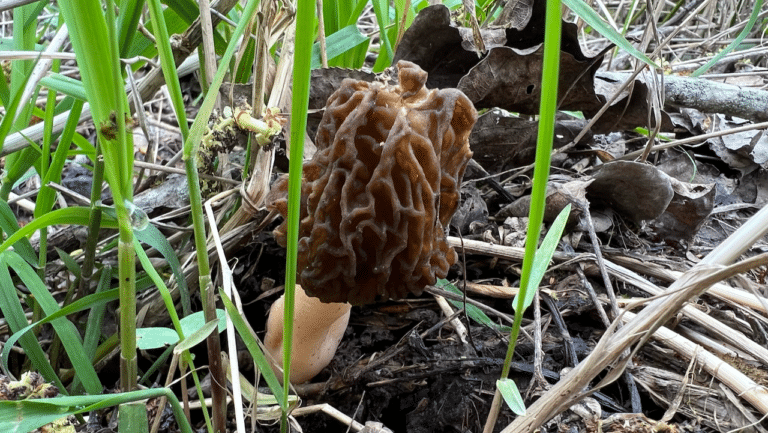
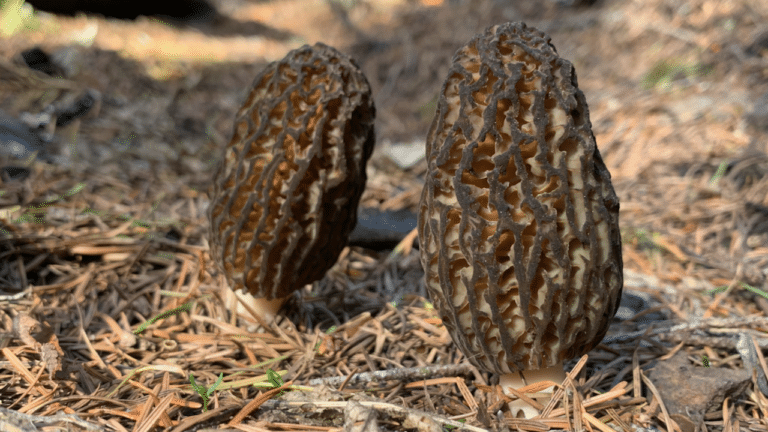
A Guide to Picking Fire Mushrooms in British Columbia
This is an excellent page addressing picking fire mushrooms (burn morels) in BC. Fire Mushrooms – BC Much of this content is useful for Washington, Oregon, Idaho, and beyond.
Identifying Cottonwood Trees How to find black cottonwood for early-season mushroom hunting in the PNW Black cottonwood (Populus trichocarpa) is one of the most important trees for early-season mushroom hunting in Western Washington. While our region is dominated by conifers, cottonwoods grow along rivers, streams, and lake margins — and they’re among the first trees…
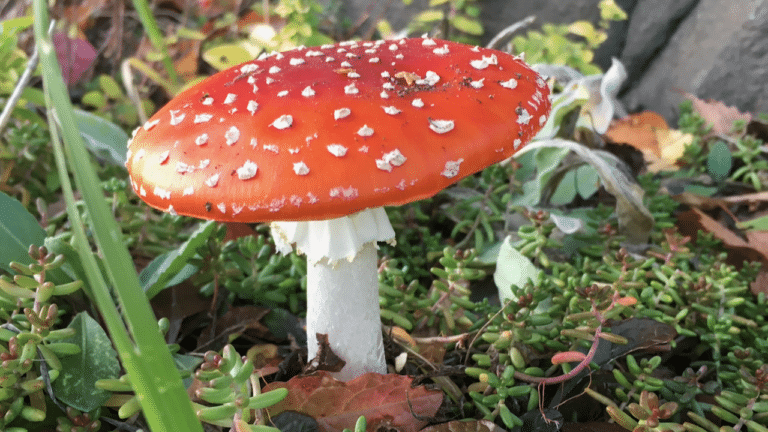
It comes as a surprise to many when I say that the edibility of mushrooms is on a spectrum. Poisonous mushrooms can often be eaten when prepared in sometimes quite elaborate ways. For instance, there is a method for preparing the classic Amanita muscaria in a way that can remove the toxins. This involves boiling…
Before most edible spring mushrooms start flushing here in the Pacific Northwest we start to see stinging nettles. In fact, one of my most anticipated signs of spring are the nettles popping up in the green spaces around our home in NW Seattle. The deep emerald color of nettles are a herald of warmer times…
Trent recently posted about the safety of eating morels that are foraged in burn zones due to the use of fire retardants in the area. You can find the original post here. Here my key takeaways from the article. Firefighters have a much greater exposure to these chemicals than a typical forager. So far there…
Introduction Navigating the spectrum of mushroom edibility and toxicity presents a complex challenge. Even widely accepted edible mushrooms can cause adverse effects in some individuals, while certain mushrooms known for their toxicity, such as Gyromitra esculenta, have been eaten safely after specific preparation techniques. The determination of a mushroom’s safety for consumption varies from mushroom…
In January 2023 I stumbled upon a log of fresh Deer mushrooms in the Anacortes Community Forest in Northwest Washington. Deer mushrooms are broadly distributed around the world and are fairly common west of the Cascades. January can typically be a strange time to find such fresh mushrooms. After a brief freeze in mid December…
As we pass the winter solstice and look back on a fungi-filled autumn, here’s a fun reimagining of the 12 days of Christmas for all of you mycophiles.
The Milk Caps can be a fascinating and sometimes overwhelming genus to observe. Scientifically known as Lactarius, the name indicates one of the genus’s unique characteristics: a strongly-colored juice known as latex or ‘milk’. Dozens of Lactarius species grow in the Pacific Northwest and the characteristics of any one species can vary significantly from mushroom…
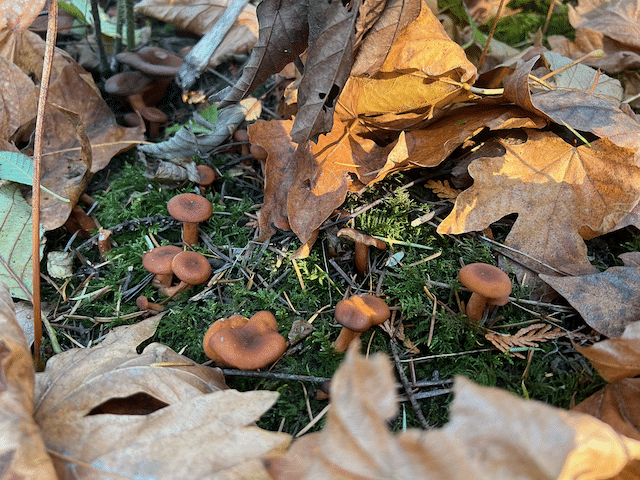
Candy Cap Mushrooms Candy Cap mushrooms are mushrooms in the milk cap genus Lactarius. They are small, orange mushrooms that can be found on or near rotting wood, and soil. There are multiple species that have the characteristic maple scent when dried. Lactarius rubidus is known from Baja to BC. New Lesson: Candy Caps Free Key…
Soil conditions, morel timing, and foraging tips delivered to your inbox.
✓ You're subscribed to seasonal updates
Mushroom foraging tools, guides, and education for the Pacific Northwest.
Guided forays, ID workshops, and private mushroom tours across the PNW.
View Events Book a private tour